

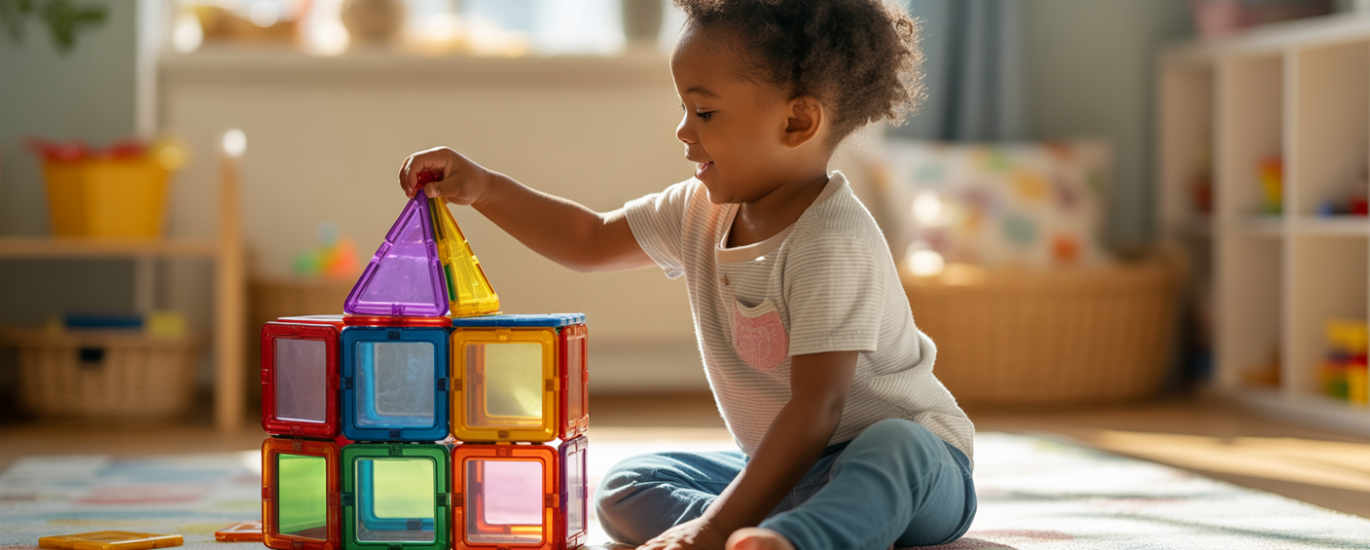
If your preschooler has endless energy—and your tablet has become the go-to entertainer—you’re not alone. Many parents crave more screen-free time but need realistic, no-prep ideas that actually work. These educator-approved activities use what you already have at home and can keep your child busy, moving, and smiling.
Why Screen Free Time Matters for Preschoolers
A little screen time isn’t bad. The key is balance. Preschoolers learn best through movement, touch, sound, and imaginative play. Short breaks from screens help them reset emotionally, improve focus, and build real-world social and motor skills.
Even 20–30 minutes of hands-on play can boost creativity, problem-solving, and emotional regulation—and give parents a breather, too.
10 Screen Free Activities Your Preschooler Will Love
Each of these simple ideas takes under 10 minutes to set up using everyday items and works rain or shine.
1. The Laundry Basket Obstacle Course
Skill Focus: Gross motor skills and problem-solving
Line up pillows, baskets, and chairs to make a mini indoor obstacle course. Let your preschooler crawl, climb, and jump their way through. Time them or let them try to beat their last round.
Time: 15–20 minutes
2. Painter’s Tape Race Tracks
Skill Focus: Creativity and fine motor control
Use masking or painter’s tape to make roads on the floor. Your child can drive toy cars, roll marbles, or march toy animals along the path.
Time: 10–15 minutes
3. Kitchen Band
Skill Focus: Rhythm, coordination, and self-expression
Give your child a pot, spoon, and plastic container. Let them create music or join them for a mini concert. Try loud and quiet or fast and slow games.
Time: 10 minutes
4. Animal Movement Parade
Skill Focus: Gross motor skills and imagination
Call out animal names and let your child copy the movement. Hop like a frog, stomp like an elephant, or tiptoe like a cat. This is great for burning energy indoors.
Time: 15 minutes
5. Sock Toss
Skill Focus: Hand-eye coordination and focus
Roll up socks into balls and use laundry baskets or mixing bowls as targets. Try tossing from different distances.
Time: 10–15 minutes
6. Nature Treasure Hunt
Skill Focus: Observation and curiosity
Outside, challenge your preschooler to find five colors, three textures, or different shapes in nature. Indoors, try a texture hunt around the house.
Time: 20–30 minutes
7. Blanket Fort Builders
Skill Focus: Cooperation and spatial awareness
Drape blankets over chairs or couches to make a hideout. Add pillows, flashlights, and books for cozy downtime play.
Time: 30 minutes or longer
8. Bubble Chase
Skill Focus: Coordination and energy release
Head outside and blow bubbles for your preschooler to pop. For extra fun, give them a small wand and let them lead the game.
Time: 10–20 minutes
9. Ice Cube Rescue
Skill Focus: Fine motor skills and patience
Freeze small toys inside ice cubes. Give your child water, salt, and a spoon to rescue them. This works well on warm days or in the bathtub.
Time: 20–25 minutes
10. Story Stone Adventure
Skill Focus: Language development and creativity
Collect stones and draw or tape simple images on them, such as a sun, house, or tree. Mix them up and ask your child to make up a story using each one in order.
Time: 15 minutes
Tips for a Successful Screen Free Day
- Start small and try one or two activities at a time.
- Keep supplies handy in a screen-free play basket.
- Follow your child’s lead and allow flexible play.
- Celebrate effort, not perfection.
Remember, 10 minutes of quality play is better than an hour of distracted scrolling.
How Play Based Learning Builds Real Skills
What looks like simple fun is actually foundational learning. Every time your child stacks, sorts, imagines, or races, they are building essential early development skills.
- Gross motor control through running, jumping, and balancing
- Fine motor strength through grasping, stacking, and pouring
- Social skills through cooperation and communication
- Emotional regulation as they express excitement, pride, or frustration
- Problem-solving and creativity by exploring new ways to play
At our Learning Home, we design play experiences that support these milestones naturally because the best learning happens when children are having fun.
Explore more learning games your child will love →
See how play is integrated into daily learning →
Book a tour to see hands-on learning in action →
FAQs About Screen Free Activities
How much screen time is appropriate for preschoolers?
Most experts recommend about one hour or less of high-quality screen time per day. Balance matters most, especially when paired with physical, creative, and social play.
What if my child gets bored quickly?
That is normal. Rotate activities and allow boredom to spark imagination. Unstructured moments often lead to the most creative play.
Do screen free activities really help development?
Yes. Movement, touch, and open-ended play strengthen brain connections that screens cannot replicate.
What if both parents work weekends?
Choose short, easy options such as Sock Toss or Painter’s Tape Race Tracks. Even brief bursts of play help children feel connected and energized.