
The Science Behind Early Socialization
Early socialization lays the foundation for lifelong learning, emotional resilience, and healthy relationships. Toddlers who engage with peers and responsive caregivers develop secure attachments and stronger self-regulation skills. Research shows that high-quality preschool experiences before age 3 can give children a measurable boost in language, cognitive, and social development compared with home-only care.
For parents wondering, “Is preschool worth it before 3?”, the evidence is clear: early group interactions help toddlers learn cooperation, empathy, and confidence in ways that complement nurturing home environments.
Social & Emotional Growth Through Peers
Preschool provides structured, guided opportunities for toddlers to practice social-emotional skills safely. Key benefits include:
- Secure attachments: Responsive teachers support emotional regulation and reduce separation anxiety.
- Sharing & turn-taking: Partner and group activities teach empathy, patience, and collaboration.
- Emotional expression: Songs, role-play, and group routines help toddlers recognize and name feelings.
Sharing & Empathy in Toddler Playgroups
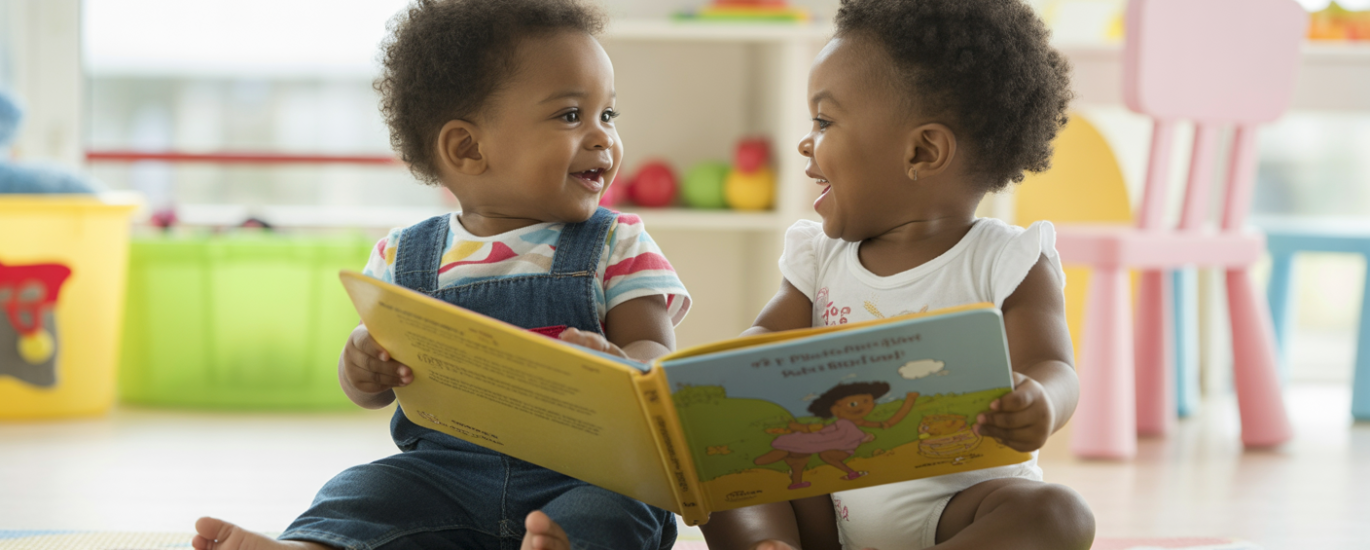
Simple activities, like rolling a ball back and forth or playing group clapping songs, teach toddlers cooperation, eye contact, and early emotional vocabulary—all within joyful, low-pressure experiences.
Cognitive & Language Milestones Boosted by Preschool
High-quality preschool accelerates key early learning milestones:
- Language: Vocabulary and conversational skills often improve 3–6 months ahead of peers in home-only care.
- Cognition: Problem-solving, pattern recognition, and early math concepts see measurable gains (0.3–0.4 SD).
- Motor Skills: Fine and gross motor development improves through hands-on play like building blocks, pouring, and stacking.
Hands On Learning for Lasting Gains
Preschool classrooms provide multi-sensory experiences that reinforce learning:
- Manipulating blocks or puzzles to encourage spatial reasoning
- Engaging in simple counting or sorting games for early math foundations
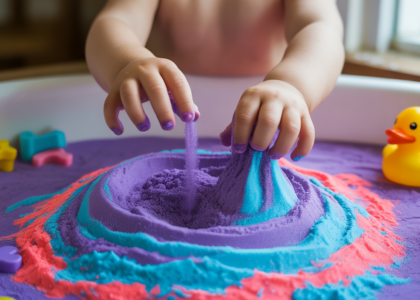
- Using sensory bins to explore colors, shapes, and textures while expanding language (“Find the red car!”)
Many parents discover these benefits firsthand in our nurturing classrooms, where daily peer interactions support natural curiosity and confidence.
Real Classroom Activities That Build Skills
Teachers guide toddlers through small group experiences that promote early socialization and skill development:
- Partner Play: Rolling balls, cooperative stacking games
- Group Songs & Rhythms: Singing and clapping activities for emotional expression
- Sensory Exploration: Bins with rice, toys, or water encourage language, motor, and problem-solving skills
Curious if preschool fits your toddler? Schedule a tour to observe firsthand.
Long Term Outcomes Research Parents Love
Evidence consistently shows that early preschool benefits persist well into adolescence:
- Improved kindergarten readiness and school adjustment
- Higher high school graduation rates (22% boost in longitudinal studies)
- Fewer behavioral issues, including suspensions
- Early entrants (ages 2–3) experience stronger language and math gains than those starting at age 4
In our classrooms, daily milestones—like a toddler’s first friendship or sharing a favorite toy—echo these long-term research findings.
Want to track your child’s socialization and early learning progress? Download our Workbook to see natural growth at home.
FAQs About Preschool Before Age 3
Is preschool necessary before age 3?
No, many children thrive at home. However, early socialization adds joyful momentum and prepares toddlers for group learning, emotional regulation, and confidence.
What age is best for first socialization?
Group play can begin as early as 2 years old, when toddlers are ready to practice sharing, turn-taking, and basic peer interactions.
How much daily interaction do toddlers need?
Short, frequent interactions (15–30 minutes at a time) in small groups support skill-building without overwhelming your child.
Can home play replace preschool benefits?
Home play is foundational, but guided peer experiences complement it by providing structured opportunities for cooperation, empathy, and cognitive growth.
Signs your toddler is ready for group settings
- Interest in other children and shared activities
- Ability to follow simple routines or instructions
- Curiosity and willingness to explore new materials or environments
Many families start with one conversation, let’s chat about your child’s readiness.
For more at-home activities that reinforce early socialization: Try these fun, skill-building games.