

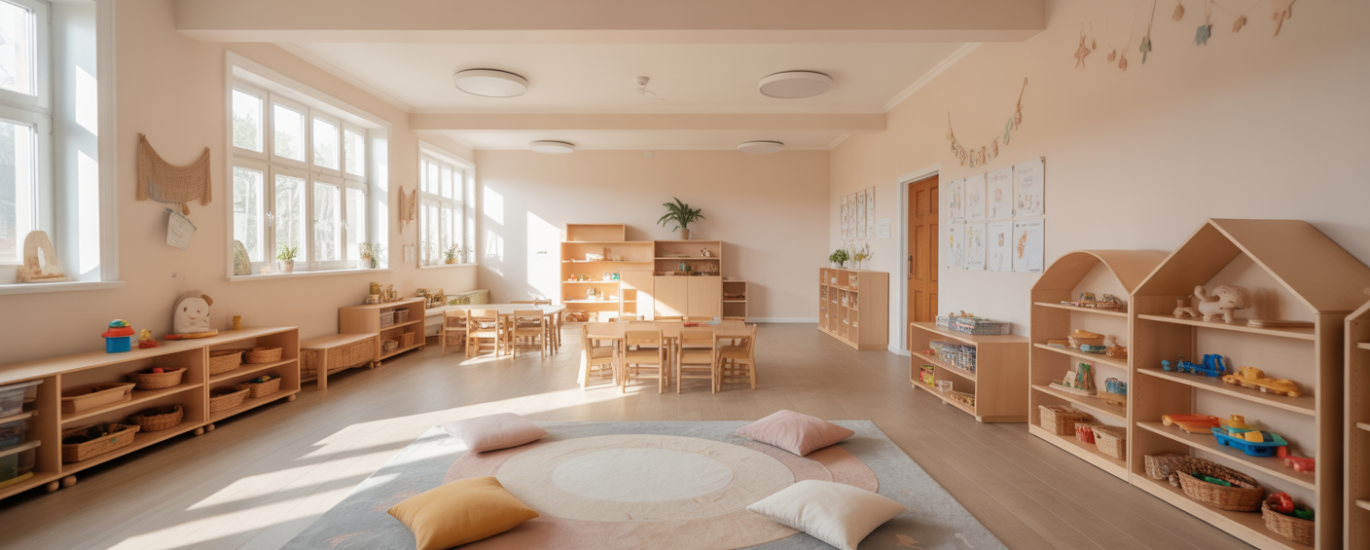
Choosing a daycare is one of the most personal—and important—decisions a parent makes. Every parent wants to know their child will be safe, loved, and learning. But what if something just feels off during your tour or at drop-off? Often, those small instincts point to bigger patterns worth noting.
This guide highlights subtle daycare red flags that are easy to miss, along with what high-quality care should look like instead.
Why Some Daycare Red Flags Are Easy to Miss
Even diligent parents can overlook warning signs. Most tours are short, and centers are on their best behavior. Plus, many concerning habits don’t stand out right away—they show through staff tone, small details in routines, or shifts in atmosphere.
That’s why it helps to know what experienced educators notice: the small, consistent details that reveal a program’s true culture and quality.
7 Hidden Daycare Red Flags to Watch For
Use this list during tours, drop-offs, or daily interactions. One red flag alone may not be a dealbreaker, but a pattern of several could signal deeper issues.
1. Staff Seem Disengaged or Distracted
You might notice teachers talking among themselves instead of engaging children, checking phones, or appearing rushed.
Why it matters: Toddlers and preschoolers thrive on connection. When caregivers are not emotionally present, children may feel less secure and supported.
What to look for instead: Warm greetings, eye contact, gentle guidance, and teachers who genuinely enjoy interacting with children.
2. Frequent Staff Turnover
If a center frequently mentions new teachers or you see unfamiliar faces week after week, this can indicate instability.
Why it matters: Children need consistency to feel safe. High turnover can disrupt routines and emotional bonds.
What to look for instead: Long-term staff who speak confidently about the program and maintain strong relationships with families.
3. Children Wait Too Long Between Activities
Notice whether children spend long periods waiting in line, sitting idle, or navigating chaotic transitions.
Why it matters: Predictable routines help children feel secure. Long wait times often reflect poor planning or understaffing.
What to look for instead: Smooth transitions supported by songs, movement, or calm conversation.
4. Vague or Defensive Answers to Questions
If questions about discipline or daily routines are met with unclear, rushed, or defensive responses, take note.
Why it matters: Transparency builds trust. High-quality programs welcome questions and explain their philosophy clearly.
What to look for instead: Thoughtful, specific answers such as how frustration is handled or how children are supported emotionally.
5. Cleanliness Feels Almost Right
The space may appear tidy, but you notice sticky surfaces, unsanitized toys, or lingering odors.
Why it matters: Cleanliness reflects both health practices and attention to detail.
What to look for instead: Clean but welcoming rooms, organized materials, fresh air, and visible handwashing routines.
6. Activities Feel One Size Fits All
If every child is completing the same worksheet or producing identical crafts, creativity may be limited.
Why it matters: Young children learn best through exploration, choice, and play-based learning.
What to look for instead: Open-ended materials, flexible activities, and educators adapting to children’s interests.
7. Parents Are Kept at a Distance
You may feel discouraged from visiting classrooms or receive minimal communication beyond basic updates.
Why it matters: Strong family partnerships support better outcomes for children.
What to look for instead: Open communication, welcoming policies, and opportunities for parents to stay involved.
What to Do If You Notice a Red Flag
- Observe again to see if the issue is consistent.
- Ask follow-up questions and notice how staff respond.
- Visit at different times of day to see varied routines.
- Trust your instincts and explore other options if concerns remain.
What High Quality Daycare Looks Like Instead
High-quality care is often felt immediately through calm energy, welcoming spaces, and engaged teachers. You may also notice:
- Predictable yet flexible routines
- Ongoing communication with families
- Joyful noise and meaningful play
- Respect for each child’s individuality
- Transparent policies and approachable leadership
These cues often distinguish basic supervision from truly supportive early learning.
Use this list during your next tour to feel informed and confident as you choose your child’s care environment. Families are always encouraged to ask questions and observe what quality care looks like in action.
See what quality care looks like in person →
Learn more about our daily routines →
FAQs About Daycare Red Flags
Are all red flags deal breakers?
No. Occasional issues can occur anywhere. What matters most is how quickly and thoughtfully concerns are addressed.
What is the difference between a red flag and a preference?
A red flag impacts safety, emotional well-being, or trust. Preferences are personal choices about teaching style or environment.
How many times should I tour a daycare?
Touring at least twice is helpful—once during structured activities and once during arrival or pick-up to see the natural flow of the day.
What questions should I ask if something feels off?
Ask calmly and directly, such as how transitions are handled or how often classrooms are deep-cleaned. The clarity and tone of the response often provide valuable insight.
